


Talkpal - AI Language Learning
4.6486.00 Reviews
App Specs
- Version
- 2.8.17
- Updated On
- License
- Free
- Downloads
- 5,000,000+
- Developer
- Talkpal, Inc.
- Categories
- Education
- Platform
- Android, iOS
Screenshots
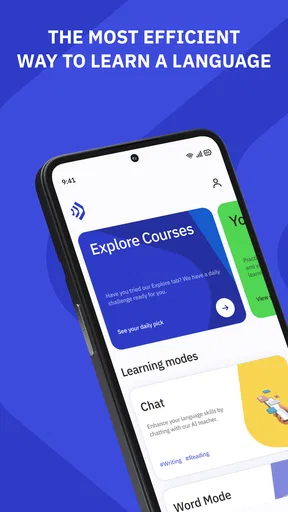
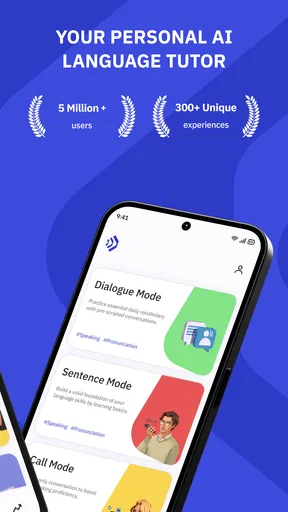
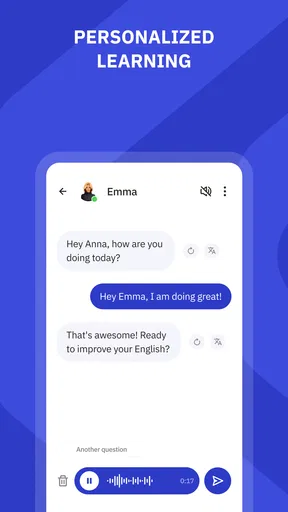
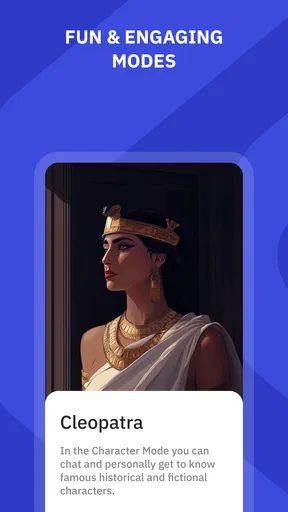
 Analysis by AppCompare
When I’m deciding whether a language app is worth keeping, I look for one thing beyond vocabulary: does it make it easier to form a sentence when I’m put on the spot? That is the problem Talkpal - AI Language Learning is built around. It is an education app from Talkpal, Inc., focused on practising languages with an AI tutor. I find that conversational emphasis appealing, though it is not a complete substitute for a structured course or a human teacher.
What the current version is trying to do
Talkpal is free to download, with optional in-app purchases priced from $14.99 to $89.99 per item. It has a 4.4 average from around 62,000 ratings, and more than a million installs. It is rated for Everyone, so its audience is broad, but the practical fit depends less on age than on what kind of learner you are. The app’s current version is 2.7.0, and it runs on Android 7.0 or later.
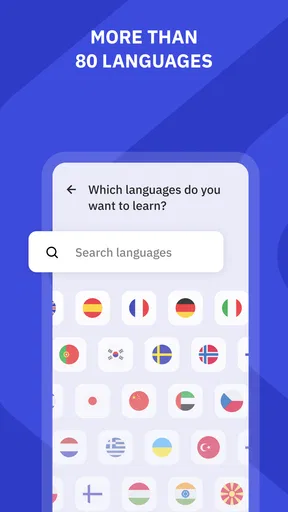
The language choice is one of its most noticeable strengths: the app covers English, Spanish, German, French, Italian, and more than 80 other languages. That breadth makes it tempting if you are curious about a less commonly taught language, but I would still approach any language option with realistic expectations. A large menu is useful for getting started; it does not by itself tell you how deep or well-suited every learning path will feel.
Practice that is easier to fit into a day
The most useful way I can imagine using Talkpal is in short, low-pressure speaking sessions. For example, before travelling, I might spend a few minutes practising how to introduce myself, ask for directions, or make a simple request. The AI format gives me room to try a sentence, notice where I stumble, and try again without worrying about holding up another person.
That makes it especially appealing to learners who understand more than they can say. Reading a familiar phrase is one thing; retrieving it while answering a question is harder. Conversational practice can help bridge that gap, particularly if you are willing to speak imperfectly and treat corrections as prompts to try again rather than as a scorecard.
I would use it alongside, not instead of, listening to real speakers. An AI partner is convenient for repetition, but real conversations include accents, interruptions, background noise, and unexpected replies. If your goal is to feel comfortable in those situations, use practice sessions to prepare phrases and build confidence, then look for opportunities to hear and speak the language outside the app too.
Where I would be cautious
AI feedback can be useful, but it should not be treated as an infallible teacher. A correction may help you spot a pattern, yet language often has several natural ways to express the same idea. If a suggested phrasing feels stiff or you are unsure why it changed your sentence, check it against a trusted learning resource or ask a qualified teacher when accuracy matters.
Worth Reading Before You Choose

Flipboard Shows What News Apps Must Do Beyond the Feed

Switching to Android Auto Means Rethinking Your Driving Routine

Google Calendar Makes a Crowded Week Easier to Manage

Ludo King Makes the Most of the Minutes Between Plans

Baby Panda World Brings Quick Play to Modern Phones, but Its Game Library Feels Busy

ESPN’s Live Game View Makes Following Close Games Easier
The same caution applies to learning many languages at once. Talkpal’s broad selection is a nice invitation to explore, but dividing a small amount of study time between several languages can make progress feel scattered. I would choose one main language, keep sessions focused on a practical topic, and use a second language only if there is a clear reason to maintain it.
Compared with a textbook-style course, a conversation-first app is better for trying to produce language than for following a carefully sequenced explanation of grammar. Compared with a human tutor, it is easier to practise spontaneously, but it cannot offer the same personal judgement about your goals or the subtle context behind a mistake. I see Talkpal as a convenient practice partner rather than a one-app solution.
Who will get the most from it
I think Talkpal is a good fit for a beginner who wants to start speaking without waiting until they feel fully prepared, or for an intermediate learner who needs more chances to turn passive knowledge into active replies. It may also suit a traveller who wants to rehearse common situations before leaving, provided they do not rely on an app alone for every real-world exchange.
It is less suitable if you want a classroom-like syllabus, detailed human feedback, or a carefully supervised plan for an exam. In those cases, a course, tutor, or exam-specific resource is likely to be a better anchor. I would also skip making it your only study method if your main priority is mastering writing conventions or understanding grammar in depth; those goals benefit from deliberate explanations and review beyond conversation practice.
Getting Started with Talkpal
First things first, downloading Talkpal is a breeze. Available on both Android and iOS, it doesn’t take up much space, which is a relief for those of us constantly battling low storage. Once installed, you’re greeted with a sleek and intuitive interface that invites you to dive right in.
The setup process is quick. You choose your target language and set your learning goals. Whether you’re aiming to travel, boost your career, or just impress your friends, Talkpal has got you covered. The app offers a whopping selection of languages, from Spanish and French to Mandarin and even more niche ones like Swahili. It’s like a global buffet of languages!
Features that Shine
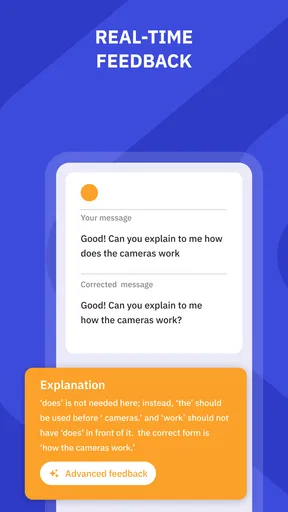
Now, let me tell you about the features that really stood out. First up, the AI-driven chat feature. It’s almost like chatting with a native speaker who never gets tired of correcting your mistakes. You can practice conversations in real-time, and the AI provides instant feedback on pronunciation and grammar. It’s like having a language coach on standby 24/7.
Then there’s the vocabulary builder. This feature is all about repetition and reinforcement. You’re exposed to new words in context, which helps cement them in your memory. Plus, the app cleverly incorporates games and challenges to keep things fun and engaging. Who knew learning could be so addictive?
One of my favorite features is the cultural insights section. It’s a delightful dive into the customs, traditions, and quirks of the language you’re learning. These little nuggets of information are not only fascinating but also incredibly useful, especially if you’re planning to travel.
Real-Life Application
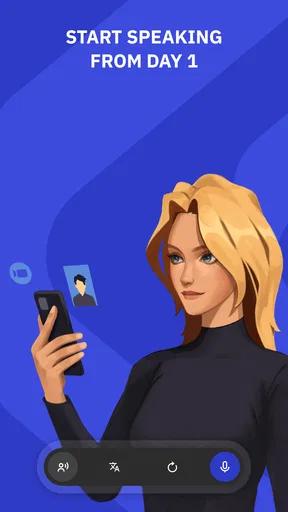
What’s the point of learning a language if you can’t use it in real life, right? Talkpal shines here too. The app encourages you to practice speaking from day one, emphasizing conversational skills over grammar drills. This approach is perfect for people like me who want to be able to order a coffee or ask for directions without fumbling over words.
Plus, Talkpal includes a handy phrasebook for quick reference. Whether you need to know how to say "where’s the bathroom?" or "could you recommend a good restaurant?", the app’s got your back. This feature is especially useful for travelers who need to quickly pick up essential phrases.
Making a practical routine
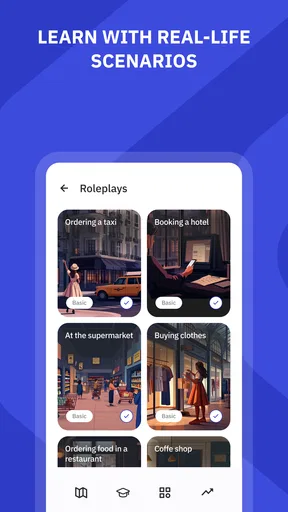
For a more useful session, I would give each practice a small job instead of opening the app with no plan. Before a trip, I might rehearse checking into a hotel; during a workday, I could practise a brief introduction or a polite request. After a conversation, I would note one expression I struggled to recall and return to that idea later. This keeps practice tied to a real need rather than turning it into aimless tapping.
A helpful trade-off is to resist trying to fix every error in one sitting. If a response brings up several corrections, I would choose the one that blocks understanding most and practise that pattern in a fresh sentence. The aim is not to produce a perfect reply on the first attempt, but to become faster at recovering and expressing the same meaning another way.
It is also worth separating confidence from competence. Being able to keep an AI conversation moving can feel encouraging, but it does not guarantee that a person will understand you in a noisy café or that you will catch a fast reply. I would pair speaking practice with listening to native material at a level I can follow, then use Talkpal to rehearse the phrases I want to say myself.
Choosing a sensible fit
If you are wondering whether you need to pay, I would begin with the free experience and see whether the style of practice suits you before considering an in-app purchase. The available purchase range is substantial, so I would compare the commitment with how often I genuinely use the app and whether its AI practice fills a gap that other resources do not. A paid option is not automatically worthwhile if I only open it occasionally.
For a learner choosing between this and flashcards, the difference is practical: flashcards are strong for quick recall of individual words, while conversation practice asks you to retrieve and combine language in context. I would not discard a flashcard routine if it works; I would use it for vocabulary maintenance and bring Talkpal in when I need to practise building replies. That division of labour is more useful than expecting either approach to do everything.
One question many learners have is whether an AI tutor can replace a speaking partner. In my view, it can make speaking practice easier to start and repeat, but it cannot fully reproduce the social and cultural judgement of a person. If you are preparing for a sensitive conversation, a job interview, or an important exam, I would seek feedback from a human as well.
What progress should look like
I would judge progress by whether I can handle a task that used to make me hesitate, not by how long I spend in the app. Can I introduce myself without translating every word? Can I ask a follow-up question when I do not understand? Can I restate an idea more simply if my first sentence fails? Those are concrete signs that practice is transferring beyond the screen.
Because Talkpal is a relatively recent release, having reached version 2.7.0 since its November 17, 2023 release, the current version gives learners a useful snapshot of an evolving product rather than a guarantee about what will come next. Existing users can reasonably assess the app as it works for them now; I would treat future changes as something to evaluate when they appear, not as a reason to buy or subscribe based on expectations.
Wrapping Up
So, what’s the verdict on Talkpal - AI Language Learning? I’d say it’s a fantastic tool for anyone serious about learning a new language. It combines the latest tech with tried-and-true teaching methods, making the process engaging and effective. Whether you’re a complete beginner or looking to brush up on your skills, Talkpal has something to offer.
In a world where communication is key, being able to speak multiple languages is a superpower. With Talkpal, not only do you learn a language, but you also get a taste of the culture, making the experience richer and more rewarding. So why not give it a shot? Your future polyglot self will thank you.
Pros
- Intuitive user interface for easy navigation.
- Wide variety of languages available to learn.
- Interactive lessons keep users engaged.
- Progress tracking helps monitor improvement.
- Offline mode supports learning without data.
Cons
- Some features require a premium subscription.
- Occasional bugs affect lesson progression.
- Limited customizability in lesson plans.
- Voice recognition can be inconsistent.
- Ads may interrupt the free version.
FAQs for Talkpal - AI Language Learning
What is Talkpal - AI Language Learning?
Talkpal is an innovative language learning app that uses AI technology to help users improve their language skills. It offers interactive lessons, personalized feedback, and real-time conversation practice. The app supports multiple languages and caters to learners of all proficiency levels, making it a versatile tool for language enthusiasts.
How does AI enhance the language learning experience in Talkpal?
AI in Talkpal provides personalized learning paths based on user proficiency and progress. It offers real-time corrections, pronunciation guidance, and adaptive challenges, ensuring that each session is tailored to the user's needs. This technology helps accelerate learning by focusing on areas that require improvement.
Is Talkpal suitable for beginners?
Yes, Talkpal is designed for learners of all levels, including beginners. The app provides foundational lessons, vocabulary exercises, and simple conversation practices to help new learners build confidence. The AI adjusts the difficulty level as users progress, ensuring a supportive learning environment.
Does Talkpal require an internet connection?
While Talkpal offers offline capabilities for some features, a stable internet connection is recommended for accessing all functionalities, especially real-time AI feedback and interactive lessons. Downloadable content is available for offline use, but live conversation practice requires connectivity.
Are there any subscription fees for using Talkpal?
Talkpal offers a free version with basic features, but for full access, users can choose from various subscription plans. These plans provide enhanced features like advanced lessons, unlimited conversation practice, and personalized AI feedback. Pricing details can be found on the app's official website or app store listing.


